Targeted Therapy in Delhi: Advancing Precision Cancer Care at Lyfe Medicare Cancer Center
Cancer is not a single disease but a complex group of disorders driven by genetic, molecular, and environmental factors. For decades, cancer treatment relied mainly on surgery, chemotherapy, and radiation therapy — approaches that remain essential even today. However, advances in medical science have introduced a more refined and individualized approach known as targeted therapy in delhi, which is transforming modern oncology.
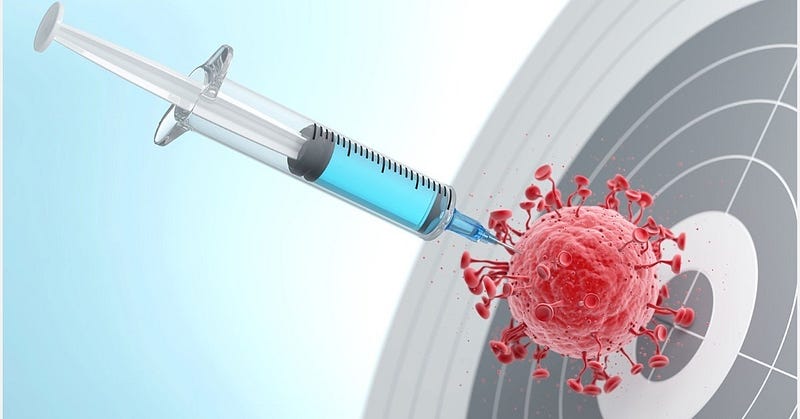
Targeted therapy represents a major shift from conventional “one-size-fits-all” treatment strategies. Instead of attacking all rapidly dividing cells, this treatment focuses on the specific molecular abnormalities that allow cancer cells to grow, survive, and spread. As a result, it forms the foundation of precision medicine, where therapy is tailored to the unique biology of each patient’s cancer.
Understanding Targeted Therapy:
Targeted therapy works by identifying and interfering with specific genes, proteins, or signaling pathways that are altered in cancer cells. These targets are often present in much higher amounts — or in mutated forms — within cancer cells compared to normal cells.
Unlike chemotherapy, which affects both healthy and cancerous fast-growing cells, targeted therapy acts with greater accuracy. This precision helps slow tumor growth while minimizing damage to normal tissues, leading to better tolerance and improved quality of life for many patients.
How Targeted Therapy Acts Against Cancer:
Targeted therapy can work through several mechanisms:
- Inhibition of Growth Signals: Some cancers rely on abnormal signals to continue dividing. Targeted drugs block these signals, preventing uncontrolled cell growth. For example, HER2-positive breast cancer responds well to drugs that block the HER2 protein.
- Blocking Blood Vessel Formation: Tumors require a blood supply to grow. Certain targeted drugs inhibit angiogenesis by blocking proteins such as VEGF, effectively starving the tumor.
- Triggering Cancer Cell Death: Some agents activate internal pathways that cause cancer cells to self-destruct while sparing healthy cells.
- Targeted Drug Delivery: Advanced therapies attach toxic agents directly to cancer cells using specific surface markers, delivering treatment precisely where it is needed.
Who Can Receive Targeted Therapy?
Targeted therapy is not suitable for every patient. Eligibility depends on the presence of specific molecular targets within the tumor. Doctors identify these targets through advanced diagnostic tests such as molecular profiling, genetic testing, or liquid biopsy.
Examples include:
- Lung cancer patients with EGFR, ALK, or ROS1 mutations
- Colorectal cancer patients with KRAS wild-type tumors
- Melanoma patients with BRAF mutations
Such testing is increasingly available at leading centers offering Targeted Therapy Cancer in Delhi, allowing patients to receive more personalized treatment plans.
Types of Targeted Therapy Drugs:
- Monoclonal Antibodies: These laboratory-engineered immune proteins bind to specific targets on cancer cells. Rituximab, for instance, is widely used in certain lymphomas.
- Small-Molecule Inhibitors: These oral medications enter cancer cells and disrupt internal signaling pathways. Imatinib is a landmark drug used in chronic myeloid leukemia.
Benefits and Challenges:
Advantages:
- Greater precision and effectiveness in selected patients
- Fewer and less severe side effects compared to chemotherapy
- Improved quality of life, with many treatments taken orally
Limitations:
- Development of drug resistance over time
- High treatment costs
- Limited access to advanced molecular testing in some regions
- Not effective for all cancer types
The Future of Targeted Cancer Therapy:
Ongoing research continues to expand the role of targeted therapy. Clinical trials are exploring new molecular targets and combination treatments involving immunotherapy and chemotherapy. Innovations such as artificial intelligence and expanded genetic testing are expected to improve treatment selection and accessibility, even in low- and middle-income countries.
Conclusion:
Targeted therapy has revolutionized cancer treatment by offering a more precise, individualized approach to care. While challenges remain, its success has provided renewed hope for patients worldwide. At a trusted cancer hospital in Delhi like LyfeMedicare Cancer Centre, targeted therapy is integrated into comprehensive cancer care — ensuring that patients receive advanced, evidence-based, and personalized treatment options for better outcomes.


Comments