How Immunotherapy in Delhi Is Transforming Cancer Treatment
Cancer treatment has evolved significantly over the years, with immunotherapy emerging as one of the most promising advances in modern oncology. Unlike conventional treatments such as chemotherapy or radiation, which directly target cancer cells, immunotherapy works by strengthening the body’s own immune system to recognize, target, and destroy abnormal cells. At leading cancer hospitals offering Immunotherapy in Delhi, this innovative approach is providing renewed hope to patients across various cancer types.
What Is Immunotherapy?
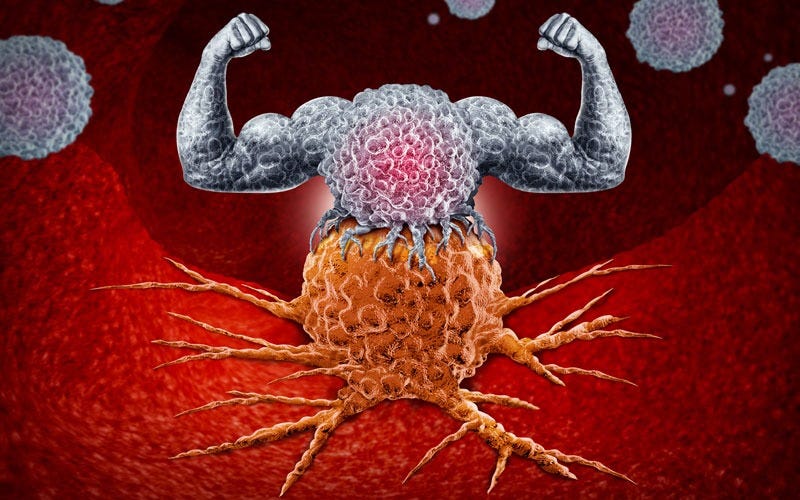
Immunotherapy is a form of biological treatment that enhances or restores the immune system’s ability to fight cancer. Cancer cells often evade immune detection by disguising themselves as normal cells. Immunotherapy helps remove these disguises or boosts immune responses, allowing the body’s natural defenses to identify and attack cancer more effectively. This targeted approach can result in longer-lasting responses and improved quality of life for many patients.
Cancers Treated with Immunotherapy:
Immunotherapy has shown effectiveness across a wide range of cancers. Patients receiving Immunotherapy in Delhi may be treated for conditions such as:
- Breast cancer
- Lung cancer
- Bladder cancer
- Cervical cancer
- Kidney cancer
- Liver cancer
- Prostate cancer
- Blood cancers, including leukemia and lymphoma
- Brain tumors
- Skin cancers, including melanoma
Treatment suitability depends on cancer type, stage, molecular markers, and the patient’s overall health, making expert oncological evaluation essential.
Benefits of Immunotherapy:
One of the major advantages of immunotherapy is its ability to offer durable responses, even in advanced or recurrent cancers. Many patients experience fewer long-term side effects compared to traditional therapies. Additionally, immunotherapy may be used alone or in combination with surgery, chemotherapy, or radiation for enhanced outcomes.
Risks and Side Effects:
While immunotherapy is a breakthrough treatment, it can be associated with certain risks due to immune system activation. Common side effects include fatigue, muscle or joint pain, skin rashes, itching, and flu-like symptoms such as fever and chills. In some cases, inflammation may affect organs like the lungs, liver, intestines, or thyroid.
Rarely, the immune system may overreact and attack healthy tissues, leading to autoimmune-like conditions or organ damage involving the liver, kidneys, or heart. Early detection and timely management of these side effects are critical. Cancer centers providing Immunotherapy in Delhi closely monitor patients throughout treatment to ensure safety and effectiveness.
Expert Care and Monitoring:
Successful immunotherapy requires careful patient selection, continuous monitoring, and multidisciplinary care. Oncologists, immunologists, nurses, and support teams work together to manage side effects and optimize treatment response. Patients are encouraged to report any new or unusual symptoms promptly during therapy.
Conclusion:
Immunotherapy has transformed the landscape of cancer treatment, offering new possibilities for patients with various malignancies. As research continues to advance, its role in oncology is expected to expand further, improving survival and quality of life. Patients considering Immunotherapy in Delhi should consult experienced oncologists to understand their eligibility, benefits, and potential risks, ensuring informed and confident treatment decisions.
#Cancer Hospital in Delhi #Cancer Specialist in Delhi
Also visit: https://telegra.ph/Immunotherapy-in-Delhi-Explained-Monitoring-Progress-and-Results-12-26


Comments